Dr. Na Zhai Clinic Acupuncture & Chinese Medicine
Barbara—Thirty-One Days of Dizziness, Then One Treatment Cured
Dr. Barbara Hartman is a professor at Southern Illinois University. She is also a friend of Dr. Na. For years, she had been coming to Dr. Na for routine acupuncture treatments for lower back pain.
She thought acupuncture was for pain. That was it.
Then everything changed.
Barbara had planned a vacation to London. Her air ticket was already ordered. Then one morning, she felt terrible—dizzy and nauseous.
She went to see Dr. Garcia and Dr. Schoenburg immediately. She received the standard treatment for dizziness: ten days of high-dose amoxicillin, evaluation for BPPV, ear cleaning, an extensive hearing test, and a diuretic.
Nothing worked. For thirty-one days, she suffered.
She did not think to ask Dr. Na for help with this problem. She came in only for her routine back pain treatment.
The Diagnosis
When Barbara went for her routine acupuncture treatment for back pain, Dr. Na did what she always does. She listened to her pulses.
It was there—in the pulse—that Dr. Na recognized the real issue: Qi deficiency.
In Traditional Chinese Medicine, Qi pushes blood through the body. When Qi is deficient, circulation becomes poor. In an elderly patient, poor circulation can present as dizziness and nausea.
Like any physician—whether TCM or MD—Dr. Na would first consider that the dizziness and nausea were related to an ear problem. That is the standard protocol. It has helped many patients. It is not wrong.
But Barbara had already been treated for that—thoroughly, by two doctors—and it had failed.
And here is where the paths diverge. When the ear treatment failed, the MDs had no next step. They had exhausted their tools. They got lost.
TCM has a way to go further. The pulse. The tongue. The Qi. The root cause. When the first treatment fails, TCM does not stop. It investigates deeper.
The pulse confirmed what Dr. Na suspected: Qi deficiency. Poor circulation. A blocked blood vessel.
Dr. Na declared that the ear problem was really a circulation problem. She said she would treat her for that instead of the back pain.
Barbara did not expect that. But she agreed.
The Outcome
One treatment.
The dizziness and nausea were gone immediately.
She was in a hurry to get to London. Otherwise, she might have had a few more treatments from Dr. Na. But she did not need them. The problem did not come back.
Three days later, she wrote a letter to both of her doctors:
"After 31 days of dizziness and nausea I have been cured. Both of you were involved in my treatment, and I thought you might be interested to learn how it happened.”
"When I went for my routine acupuncture treatment for back pain with Dr. Na Zhai, she 'listened' to my pulses as usual. She declared that my ear problem was really a circulation problem, a blocked blood vessel, and that she would treat me for that instead of the back pain. I have now been free of dizziness and nausea for three days.”
"The difference in my life is nothing short of miraculous!”
She copied Dr. Na on the letter. In her handwriting at the bottom, she wrote: "Thanks! Barbara."
What Barbara's Story Shows
Barbara had been told she had an ear problem. She was treated for an ear problem. Nothing worked.
That treatment was not wrong. It was the standard protocol. It helps many patients. Any good physician—TCM or MD—would try it first.
But when it failed, the MDs got lost. They had no next step.
Dr. Na listened to her pulse. She felt the Qi deficiency. She understood that Qi pushes blood—and that when Qi is weak, circulation fails. She saw what others had missed: a circulation problem, a blocked blood vessel.
She treated the Qi deficiency. And the dizziness went away. After one treatment.
The correct diagnosis led to the correct treatment.
This story is a perfect illustration of the difference between Traditional Chinese Medicine and mainstream medicine. Mainstream medicine treats the symptom. TCM treats the cause. Mainstream medicine patches the problem. TCM removes the root.
But the deeper difference is this: when the first treatment fails, mainstream medicine has no next step. TCM has a way to go further. It does not stop. It investigates deeper.
And Barbara—a professor, a friend, a woman who thought acupuncture was only for pain —learned something new. So did her doctors.
Afterword
Dr. Na told Barbara that her two doctors had done nothing wrong. They treated the most likely cause first—an ear problem. That is what any good physician would do. When that treatment failed, Dr. Na looked deeper.
Barbara understood that. That is why her letter to Dr. Garcia and Dr. Schoenburg was not a complaint. It was an update. She thanked them for their care. She shared the outcome. And she copied Dr. Na.
This is what good medicine looks like. It is not a competition. It is a collaboration— sometimes across different traditions, sometimes across different doctors. Everyone is trying to help the patient.
This is not a one-time result. This is the same protocol Dr. Na uses for every patient— listening to the pulse, finding the root, treating the cause. Because the treatment follows a pattern, it can be taught. Because it can be taught, it can be passed on.
This is the system Dr. Na built. This is what she offers.
And it began with a patient who thought she knew what acupuncture was for—and discovered it was for so much more.
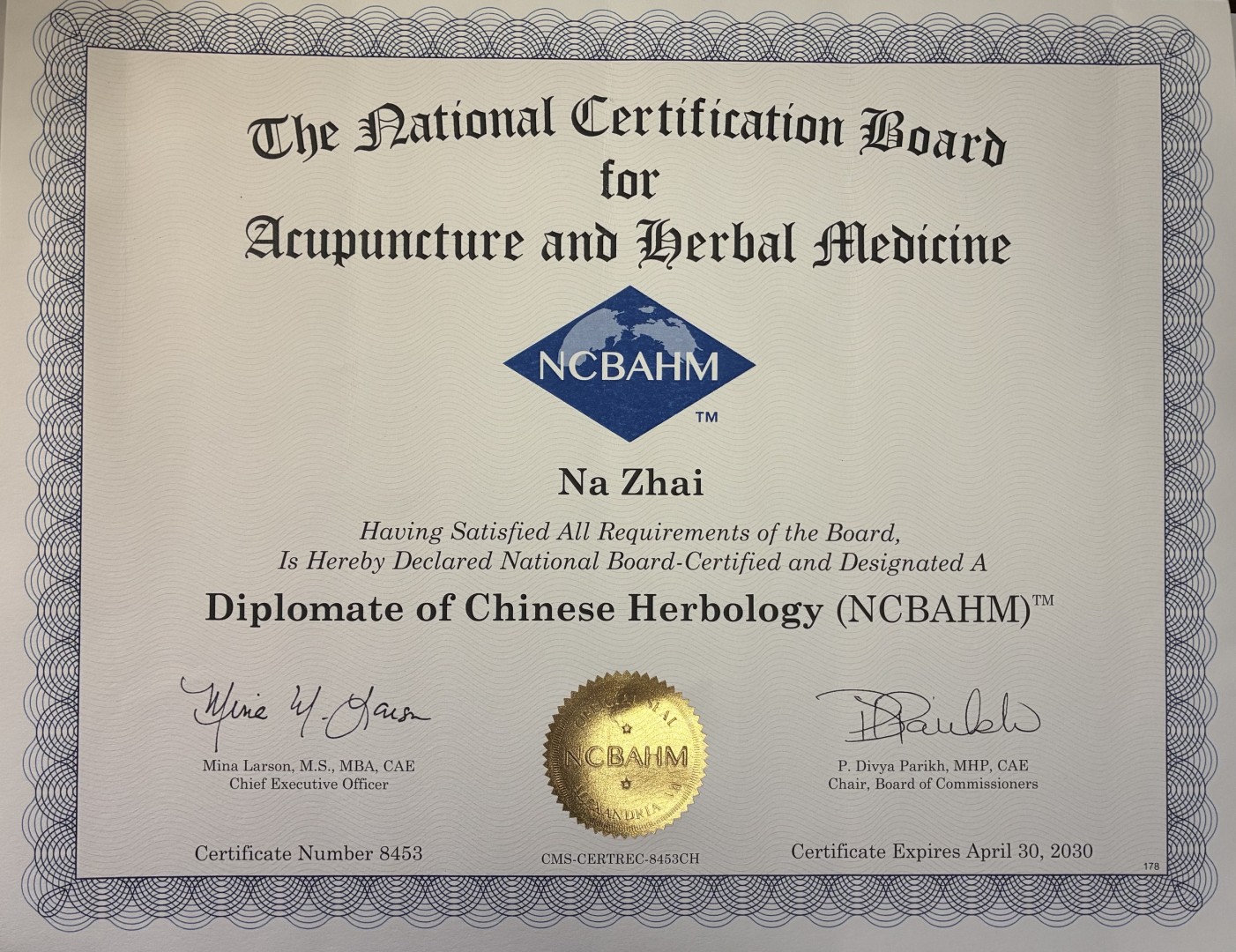
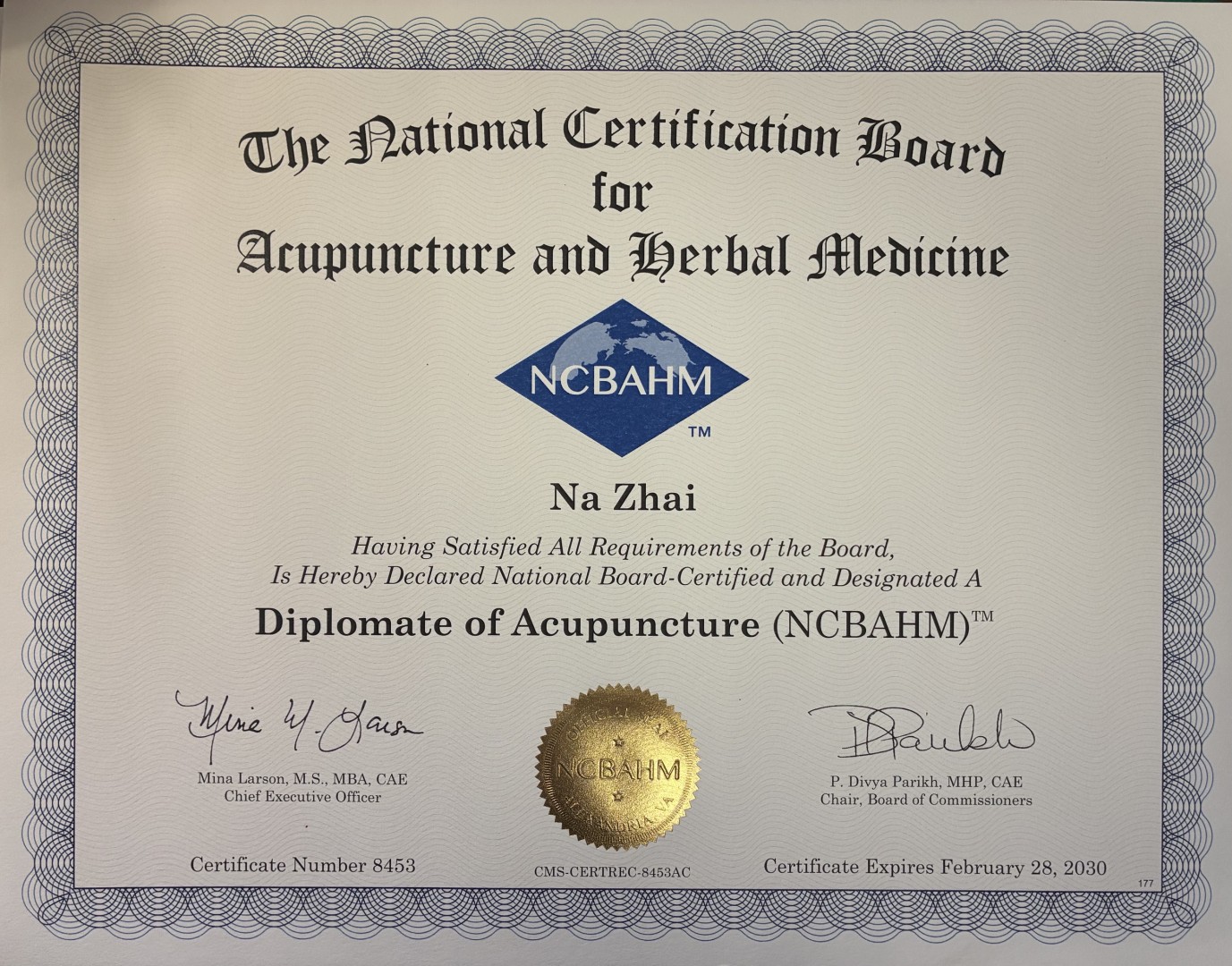

 On the streets of Japan
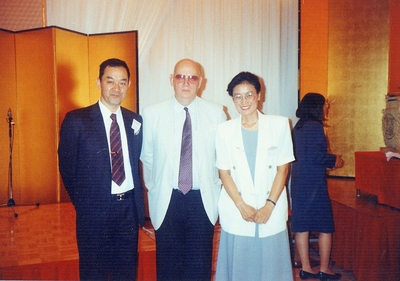
 After the International Medical Congress in Japan
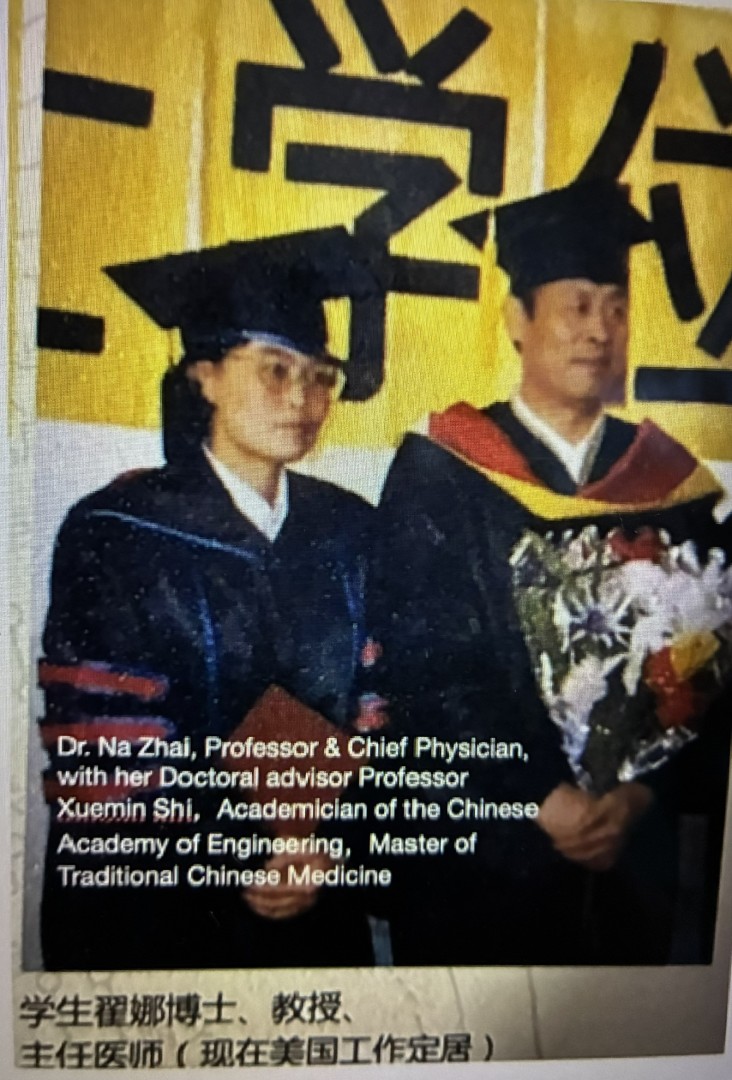 At the doctoral degree celebration with my supervisor Professor Shi Xuemin
 With Professor Xu Ping
 The State Journal-Register featured Dr. Na Zhai and Dr. Claude Fortin's collaboration.
 Our patient John Landers The newspaper headline read: "Acupuncture goes mainstream."
 China Health reports on the research findings of Dr. Zhai Na.
 Tianjin Daily reported on the research work of Dr. Zhai Na
 With Dr. Fortin and friends in a international meeting
 With Professor Baozhen Zhang and colleagues in Lab
 Having a meal with Japanese professors and colleagues
 With SIU medical students in my clinic
 A Visit to Dr. David Hu, a renowned AIDS Expert
 Discussing Traditional Chinese Medicine with Japanese People
 Giving lecture on Traditional Chinese Medicine in Japan
 After an international meeting in Japan